Conflict resolution
33 principles worth knowing here.

Pessimism Bias
Approaching conflicts open to a good resolution instead of assuming everything will end badly.

Sorites Paradox
Looking at the underlying structure of a disagreement makes understanding and resolution easier.
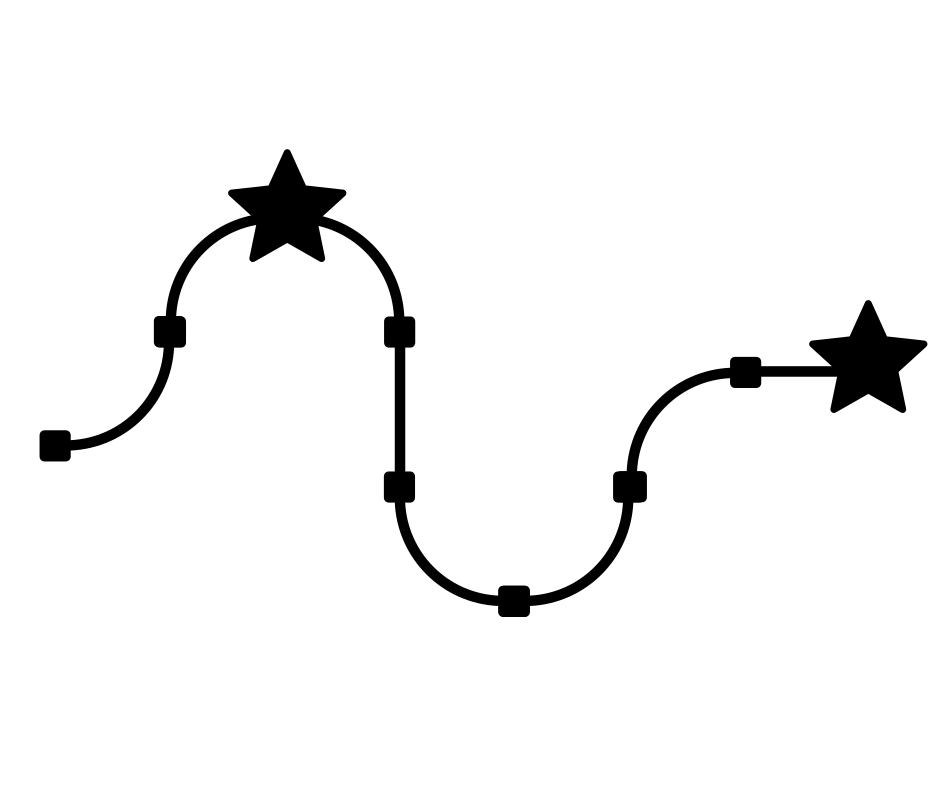
Peak-End Rule
Looking for common ground and ending the discussion on a positive resolution helps the relationship recover.
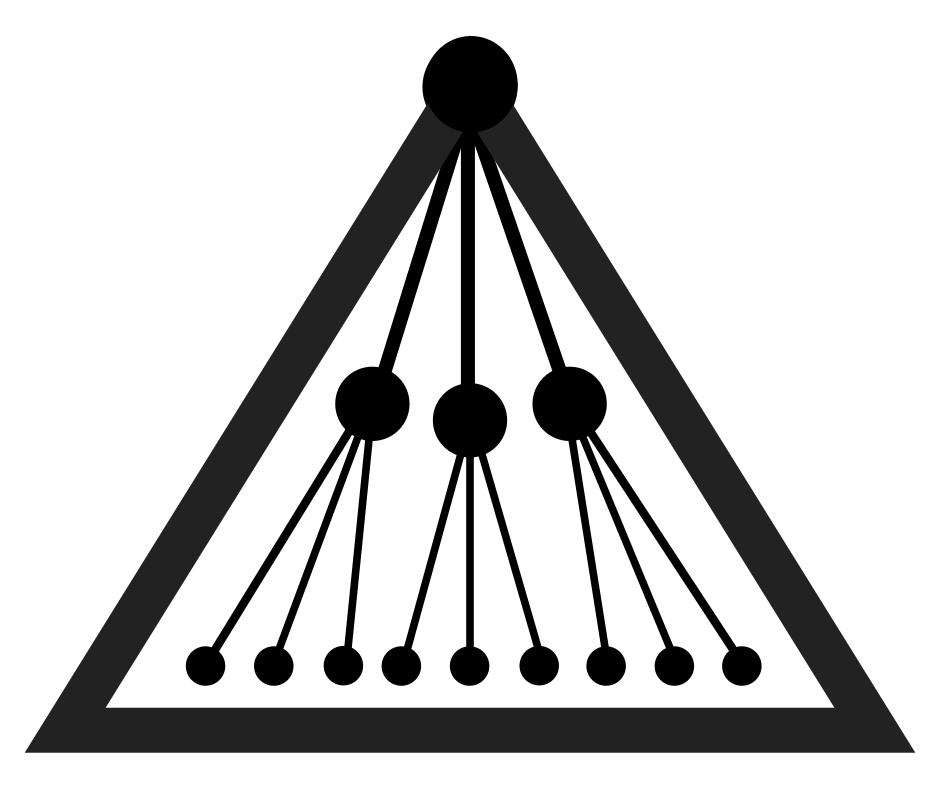
Minto Pyramid
Laying out each side's core position and reasons to understand the other view and find a resolution that works for both.

Maslow’s Hierarchy of Needs
Treating unmet needs as the real root of a conflict and working on those.
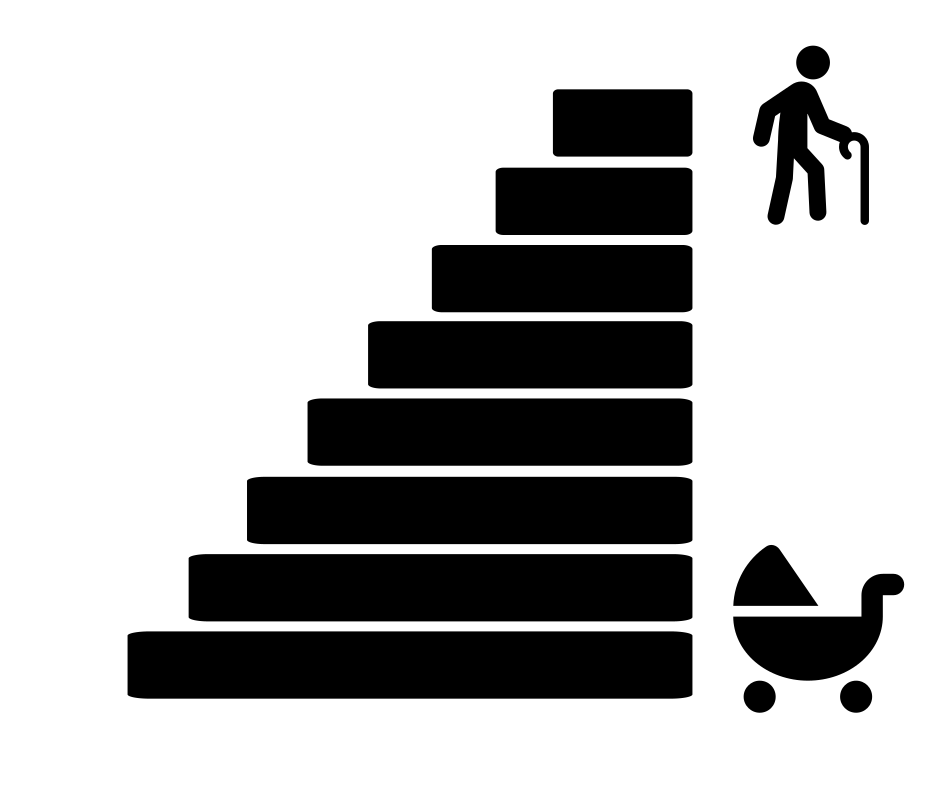
Erikson's stages of Development
Tracing a conflict back to the developmental challenge behind it leads to more productive solutions.

Ikigai
Remembering that everyone has their own values and passions helps you handle conflict with empathy.
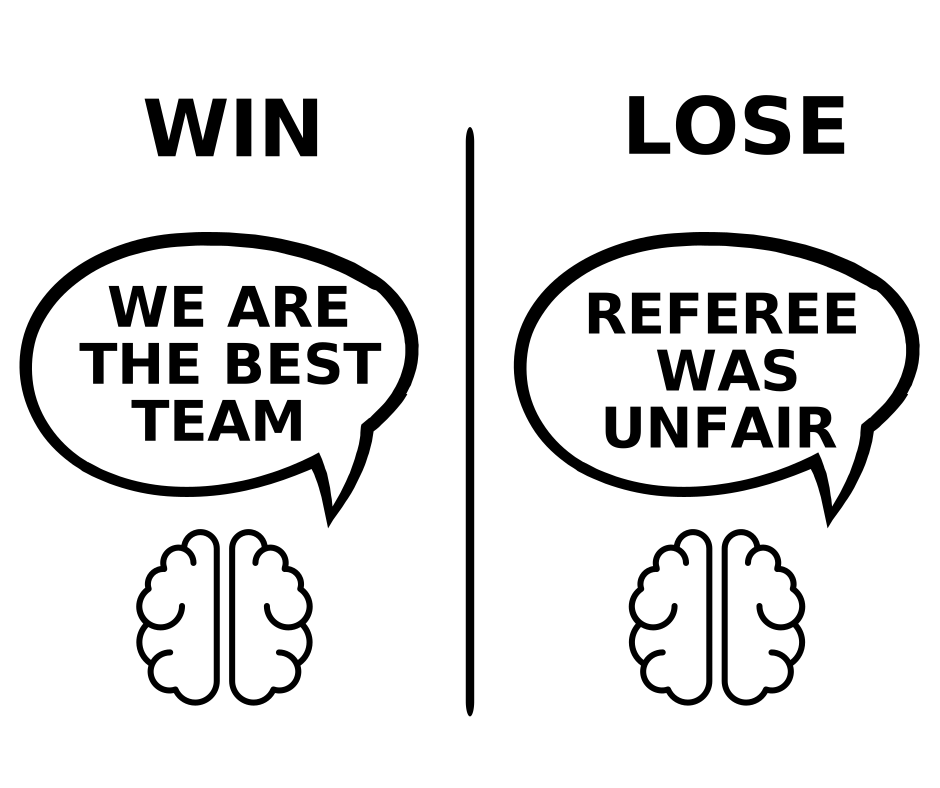
Self-Serving Bias
Owning your part in a conflict, instead of always blaming others, makes for healthier relationships.
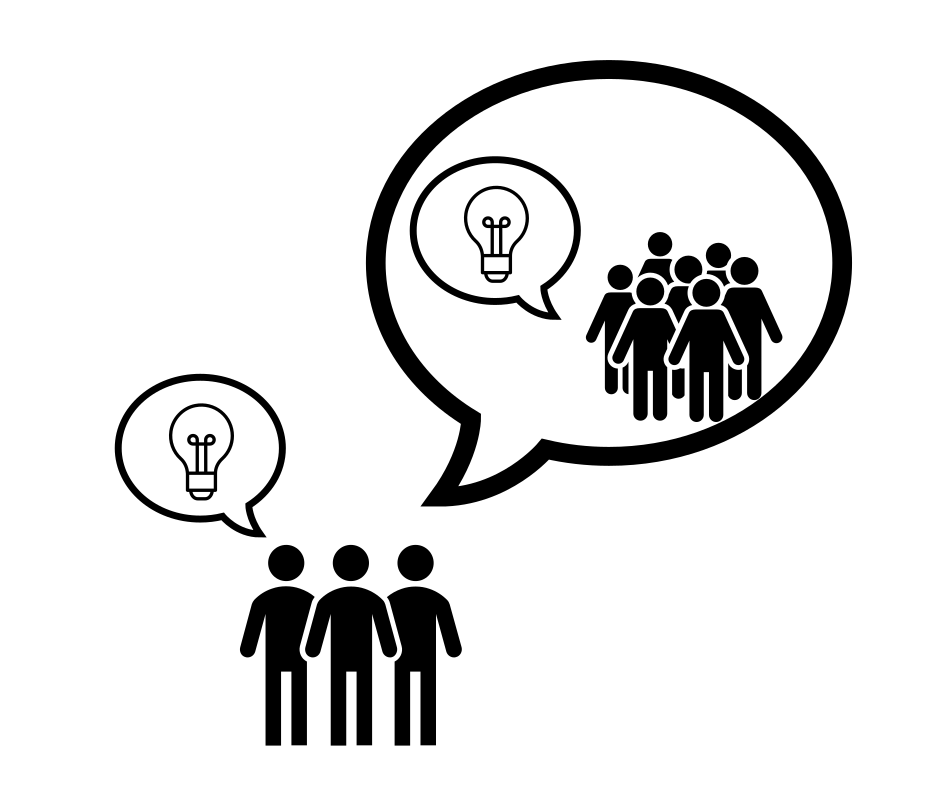
False Consensus Effect
Remembering that each party sees things differently lets you approach a conflict with a more balanced perspective.

Plutchik's Wheel
Naming the emotions underneath a conflict so you can deal with what's really going on.
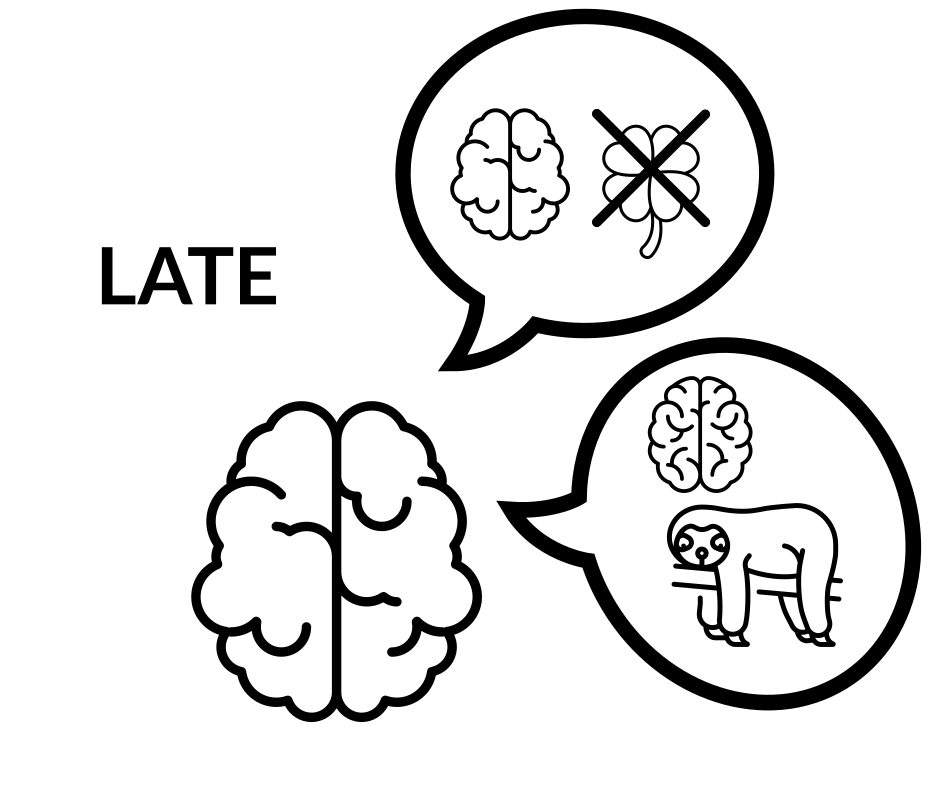
Fundamental Attribution Error
Weighing the circumstances on both sides keeps you from hasty judgments and helps you approach a conflict calmly.

Optimism Bias
Acknowledging that a conflict may be hard to fix and working through it rather than waiting for it to resolve itself.
SWOT Analysis
Knowing your own strengths and weaknesses, spotting room for compromise and seeing risks to the relationship leads to better resolutions.
Kubler-Ross Curve
Understanding and addressing the emotions that drive conflicts between people.
The Barber Paradox
Bringing clarity and reason to disputes so both sides can find a workable solution.
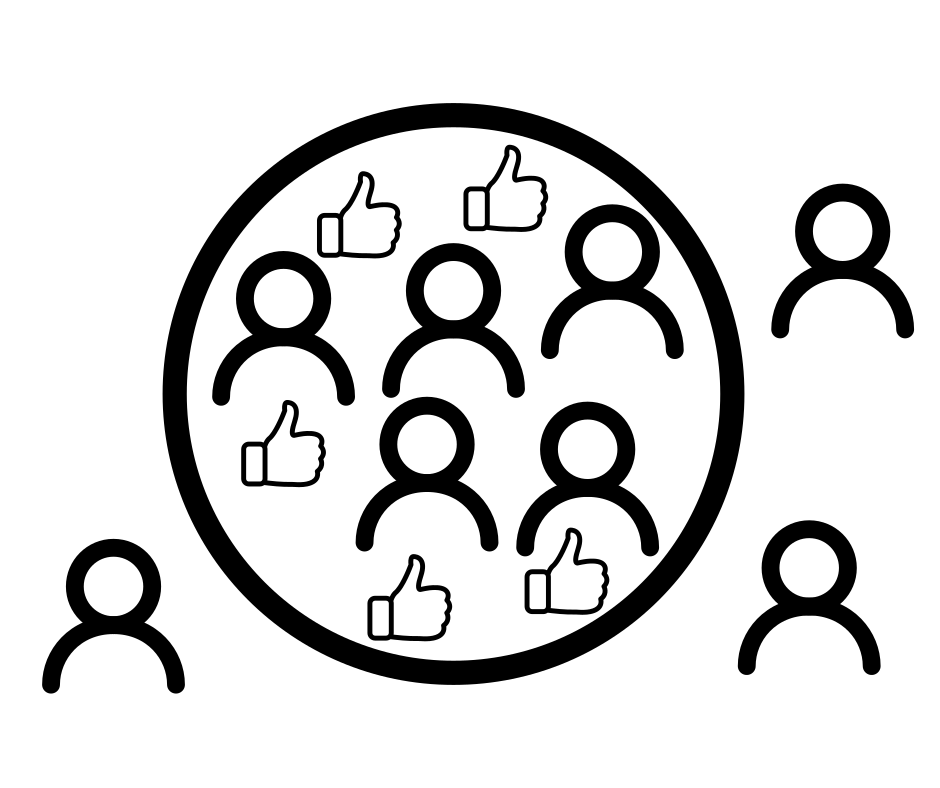
In-Group Favoritism
Approaching conflicts without reflexively backing your own side keeps tensions from escalating.

Outgroup Homogeneity Bias
Ease interpersonal conflicts by considering each party's own perspective rather than their group's.
Morris Massey's Stages of Value Development
Understanding each side's value system helps resolve conflicts by addressing the beliefs and motives underneath.
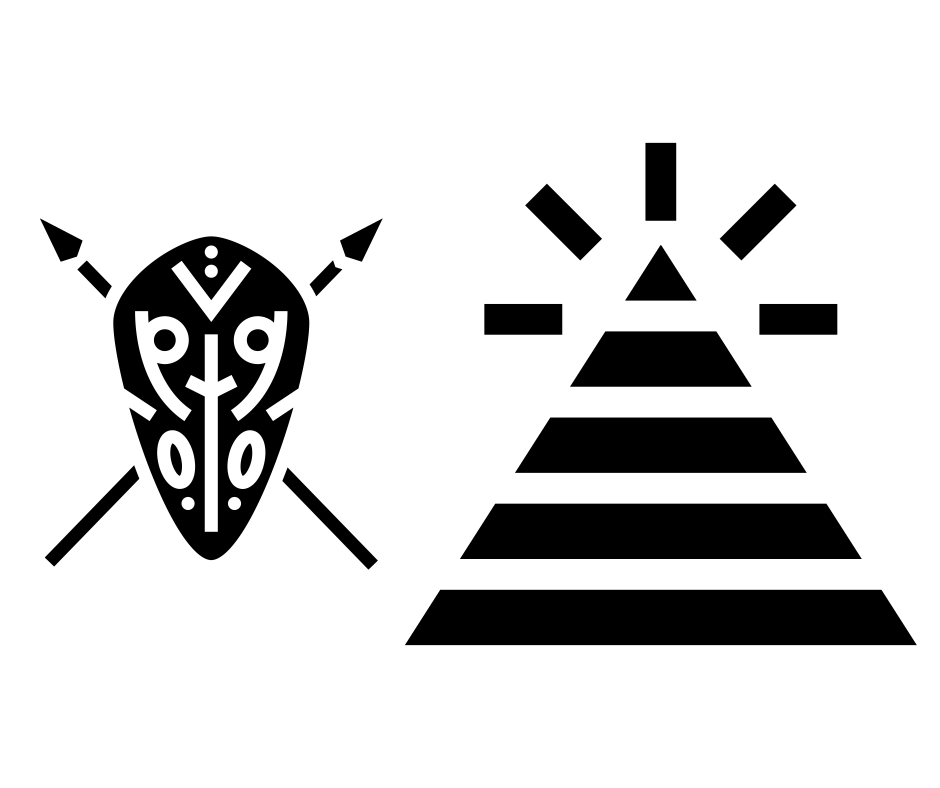
Five Stages of Tribal Leadership
Knowing your group's stage shapes how you settle disputes, since a Stage 3 team may need individual credit before anyone will sign up for a joint solution.

Hilbert's Paradox of the Grand Hotel
Topic: Deep understanding of infinity and its types. Taking a broader view helps you see how today's decisions affect relationships in the long run.
The Ship of Theseus
Looking at the structure underneath a disagreement makes it easier to understand and resolve.
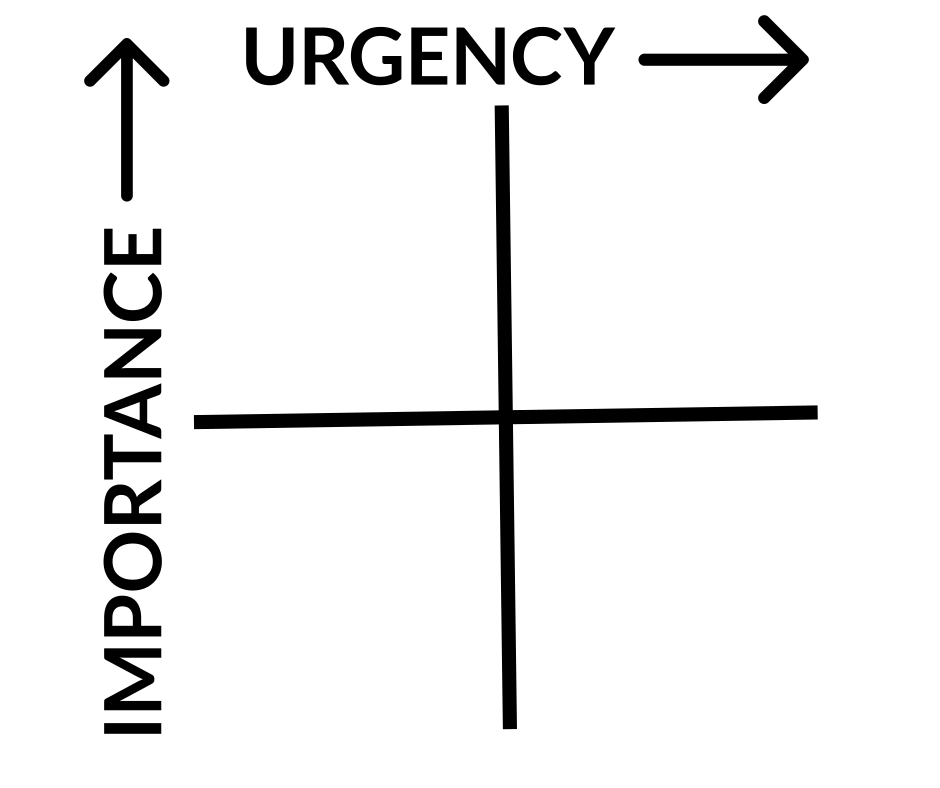
Eisenhower Matrix
Address the pressing issues first and keep communication front and center.
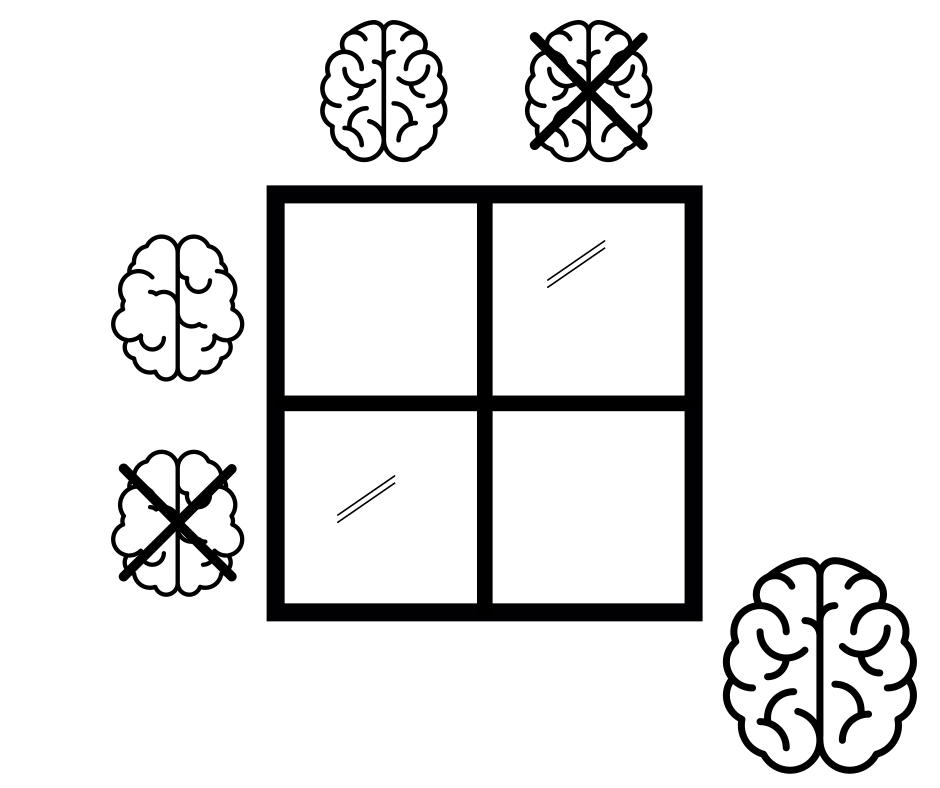
Johari Window
Clear up misunderstandings by bringing hidden assumptions into open dialogue.
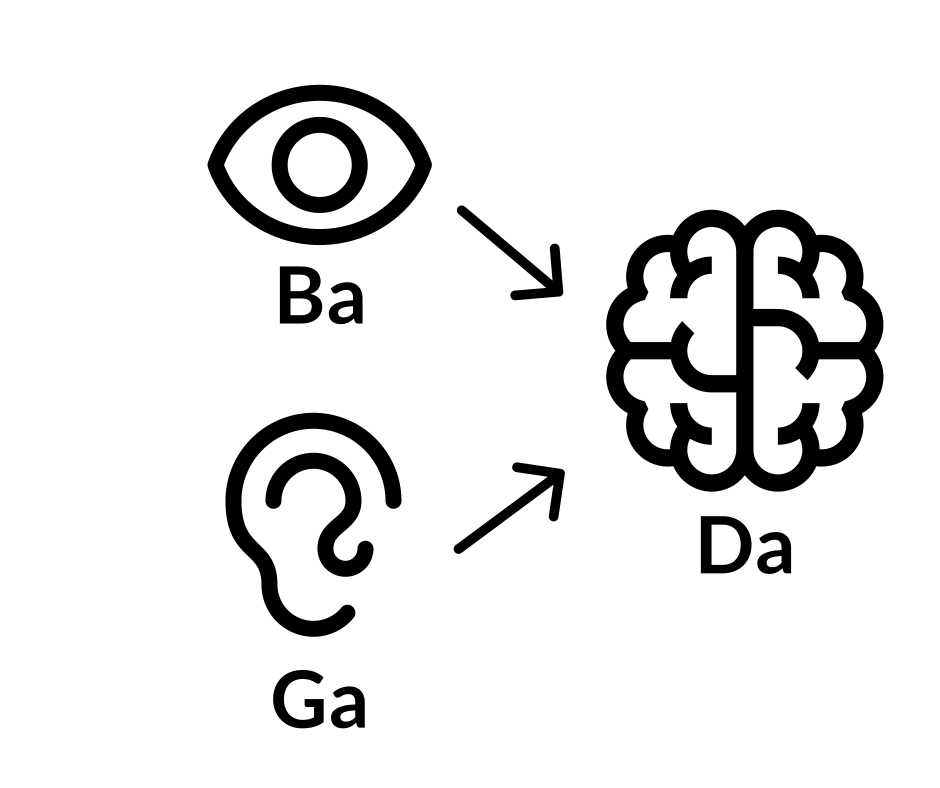
McGurk Effect
Recognizing that mixed sensory signals can feed misunderstandings in conversation.
Asch Experiment
See how conformity fuels disagreements and steer toward healthier discussion.
Skinner's Superstition Experiment
Resolve disputes with communication and empathy, not by leaving them to luck or fate.

Maslow's Hammer
Draw on strategies like active listening or negotiation rather than always pushing assertively.
Stanford Marshmallow Experiment
Value lasting harmony over the brief thrill of winning an argument.

Stanford Prison Experiment by Zimbardo
Name the power imbalance in a dispute so the outcome is actually fair.
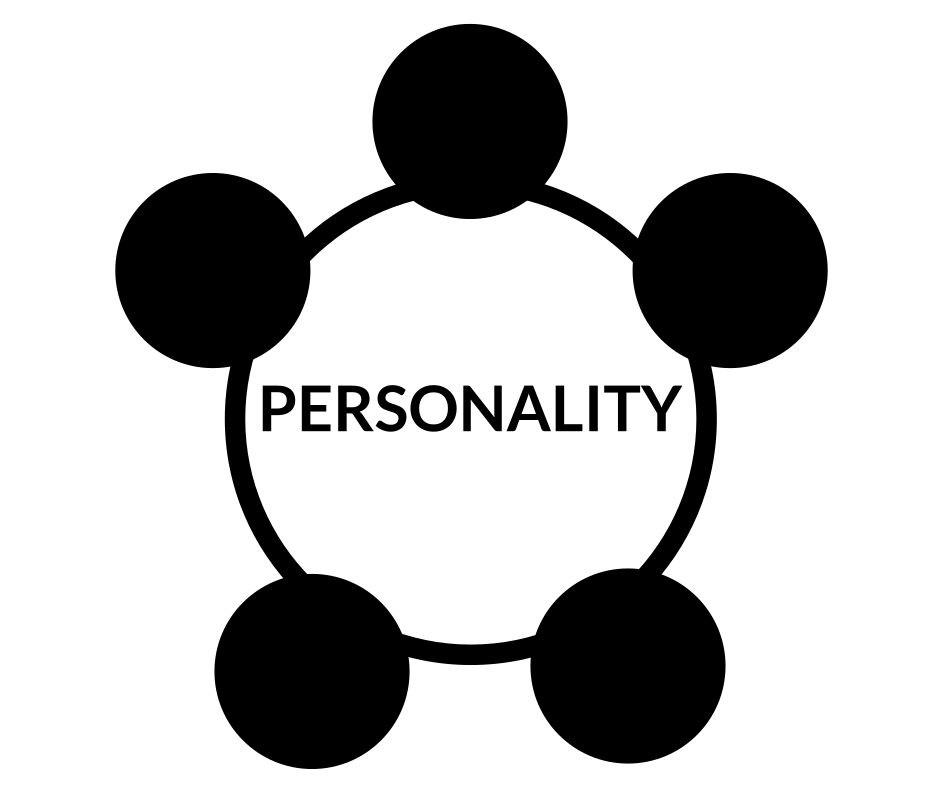
Big Five Personality Traits
Recognizing personality differences makes it easier to understand where the other side is coming from and how they communicate.
10-10-10 Rule
When a disagreement flares, weigh the emotions of the moment, the effect on communication over the coming months and the long-term consequences for trust.
Six Thinking Hats
Give emotions their own turn so they don't hijack the search for a logical fix.
Knapp's Relationship Model
Spotting differentiating and circumscribing early leaves room to intervene.
Similar situations

Resolving Conflicts
Five Love Languages
Keeping each person's love language in mind during a disagreement helps you reach a real resolution.
Conflict resolution at home
Harlow Monkey Experiment
Comforting gestures calm tempers and open up communication.
Addressing conflicts
Confirmation Bias
Go into a conflict with an open mind and consider every side.
Navigating a tough relationship
Bannister Effect
Knowing others worked through hard relationship problems encourages you to seek resolution in yours.
Handling disagreements
Knapp's Relationship Model
Spotting differentiating behavior lets you deal with conflict before it escalates.
Navigating Relationships
Cynefin Framework
Accept that relationships are complex and adapt how you communicate and resolve conflict as you learn.
Conflict Avoidance
Erikson's stages of Development
Spotting tensions that stem from identity and role confusion lets you head them off with clear communication.
Conflict Avoidance
Big Five Personality Traits
Knowing which traits tend to spark friction helps you sidestep tense situations before they start.
Customer complaint resolution
Ishikawa Diagram
Getting to the root of recurring complaints lets you fix the underlying issue, not just the symptom.

Addressing minor conflicts early
Broken Window Effect
Letting small conflicts slide can signal that bigger problems will be overlooked too.